
AND ABOLITIONISM
Deprivation of freedom
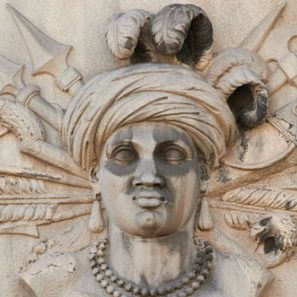
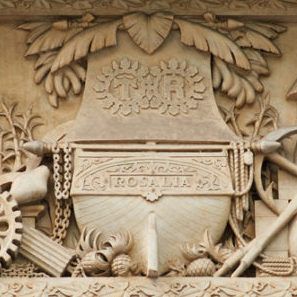
Depriving a human being of their freedom -reducing their body to a mere condition of property with commercial value, subjected to sexual exploitation, forced labor, sale or annihilation-, is an inhuman and unacceptable action. This act submits a person to a state of enslavement, which in some societies has legally and economically been systematized. Knowing and making known that this act has happened in diverse moments of history and that it still happens today in a similar manner, is an unavoidable responsibility.
Transatlantic Barcelona
This project focuses on the participation of people linked to the city of Barcelona in transatlantic enslavement dynamics. In addition to those who captured, transported or sold enslaved people, the system also had other decisive actors such as investors, governors, legislators and anti-abolitionists. Among these, we can find names of people actively involved in the history of Barcelona -some with monuments in the public space- who invested their fortunes from the colonies in the city. But we also find names of people who committed themselves to its abolition, as well as demonstrations by citizens of Barcelona against slavery.
To reduce the reflection on transatlantic slavery to a normal or legal behavior of another era, is to lose sight of the repercussions that it had. Transatlantic slavery has left social and individual traces, it has left returns that are still enjoyed today, as well as inequalities and prejudices that still persist in the present.
SPACES

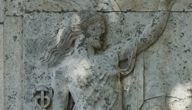
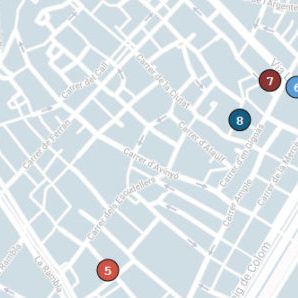
1-Monument to Joan Güell i Ferrer
Gran Via / Rambla de Catalunya

2-Palau Marc
La Rambla, 8
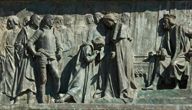
3-Monument to Christopher Columbus
Plaça del Portal de la Pau

4-Baptismal font of the Cathedral of the Holy Cross and Saint Eulalia
Pla de la Seu
Over the baptismal font of the Cathedral of Barcelona, sculpted in 1433, a plaque states a sacralized story that oscilates between what oral tradition and the first chronicles from Indies recounted. It narrates how this temple witnessed the baptism of the six captive Indians that made it to Barcelona on the return trip of the first voyage of Columbus.

5-Hispano Colonial Bank
Carrer Ample, 3
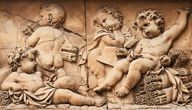
6-Xifré House
Passeig d’Isabel II, 14
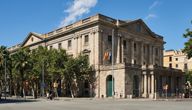
7-Llotja de Mar
Passeig d’Isabel II, 1
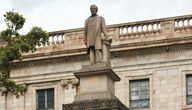
8-Monument to Antonio López y López
Plaça d’Antonio López

9-Monument to Joan Prim i Prats
Parc de la Ciutadella
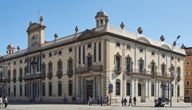
10-Old Customs of Barcelona and seat of the Civil Government
Av. del Marquès de l’Argentera, 2

11-Homage to Pi i Margall
Plaça de la República
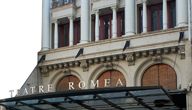
12-Romea theater
Carrer de l’Hospital, 51

13-The fountain of the black boy
Avinguda Diagonal / Carrer del Bruc
Legacies of slavery
13-The fountain of the black boy
Avinguda Diagonal / Carrer del Bruc
Legacies of slavery
CREDITS
The association Conèixer Història (Knowing History), together with the Cipriano GarcÃa Foundation of the CCOO trade union and the European Observatory of Memories, express the will to rethink those elements of the city that exalt a past that bothers many people. This itinerary proposal is an invitation to review and discover some of these sites in Barcelona related to slavery derived from the transatlantic traffic and its abolition.
Text: Omar Guzmán Ralat
Advisor: Javier Laviña
Technical advice: Javier Tébar
Editorial coordination: Oriol López and Rosa Sans
Photographs: Enric Berenguer and Associació Conèixer Història
Design: La PAGE Original